TMS-008, a member of the SMTP family compounds, exhibits anti-inflammatory and antioxidative activities but not prothrombolytic activity. TMS-008 has demonstrated efficacy in various animal models of inflammatory diseases. We are currently developing it for use in treating acute kidney injury (AKI) and cancer cachexia. We successfully completed a Phase 1 study of TMS-008 in healthy volunteers, observing a favorable safety and tolerability profile. We are currently preparing for the next study, which will be conducted in patients with cardiac surgery-associated AKI.
Acute kidney injury (AKI) is a condition where the kidney function rapidly deteriorates in a few hours to a few days. While accurate epidemiological information is unavailable for AKI, about 560,000 new patients have been reported each year in the US (*1). The mortality rate among hospitalized patients with AKI is 20% to 25% (*2), and frequent progression to chronic kidney disease (CKD) has been reported in those who survived. Despite these serious consequences, no medication has been approved for AKI and there are significant unmet medical needs for effective treatment in this area. AKI may result from various causes, including cardiac surgeries and adverse drug reactions.
*1 Clin J Am Soc Nephrol 1: 43–51, 2006
*2 Nephron. 2017 ; 137(4): 297–301

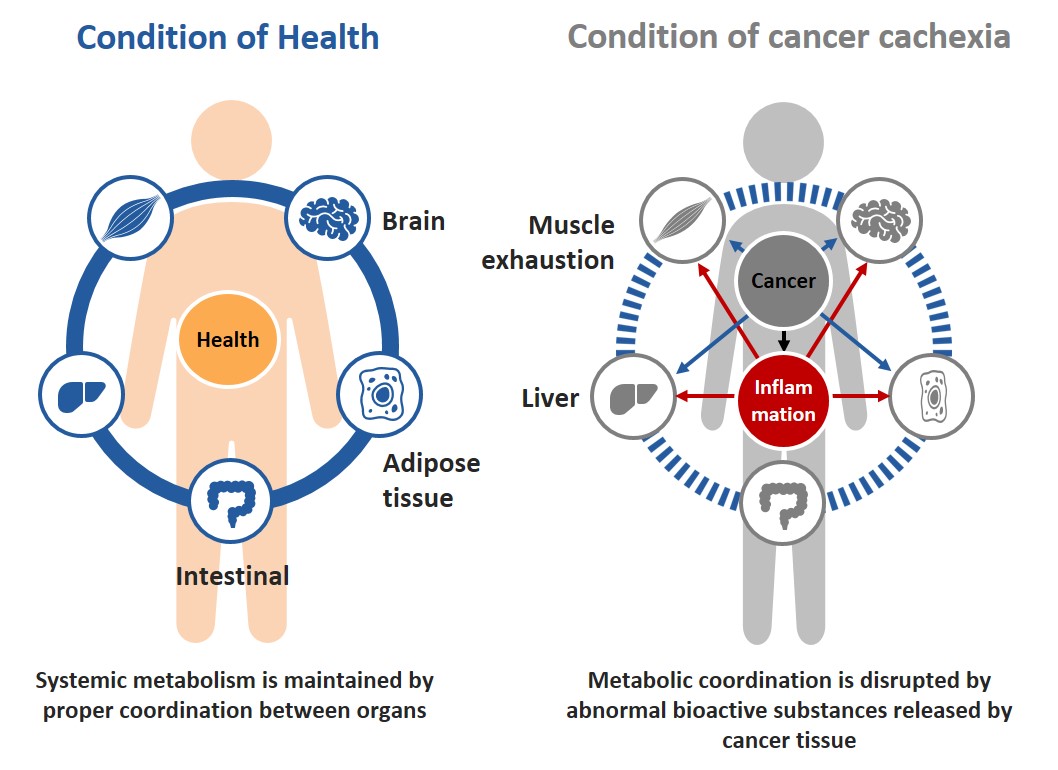
Cancer cachexia is defined as a multifactorial syndrome characterized by ongoing loss of skeletal muscle mass (with or without loss of fat mass) that cannot be fully reversed by nutritional support and leads to progressive functional impairments (*1). Cancer cachexia has been reported to affect approximately 80% of patients with advanced cancers (*1) and is considered to stem primarily from systemic inflammation.
Patients with cancer cachexia require proactive intervention because the cachectic condition often makes patients too week to withstand common cancer therapies and affects the outcome of cancer therapies.
Nevertheless, there is no approved drug that works primarily by suppressing systemic inflammation, and again, there are significant unmet medical needs for new therapies.
*1 J Jpn Soc Parenter Enteral Nutr Vol.23 No.4, 2008: 607-611
*2 Fearon K, et al. Lancet Oncol. 2011; 12(5): 489-495